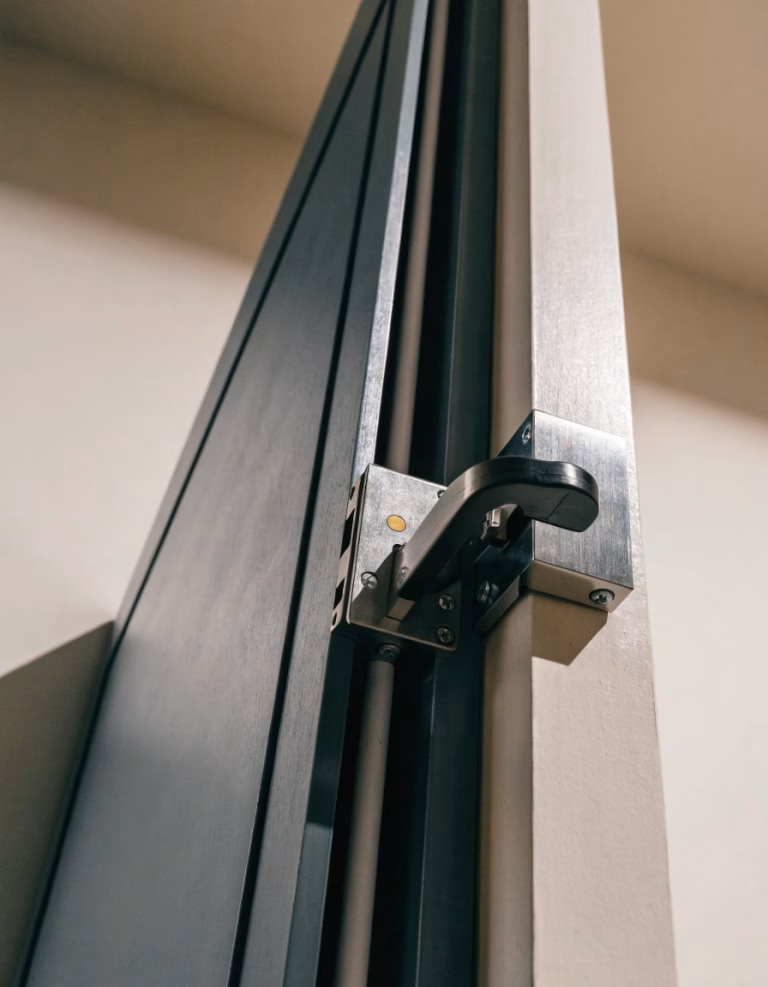
How to Build a Smart Home: Locks, Compatibility, Durability & Supplier Selection
Building a smart home is no longer just about adding connected gadgets — it’s about creating a secure, reliable, and future‑proof system that works seamlessly every day. From smart door locks to sensors and automation platforms, the right choices early on will determine long‑term performance, safety, and user experience.
This guide explains how to build a smart home step by step, with a focus on smart locks, system compatibility, material durability, and supplier reliability — key factors often overlooked by homeowners.
1. Choosing Smart Door Locks & Hardware for Your Smart Home
Smart door locks are the foundation of home security. They are used daily and must balance mechanical strength, electronic reliability, and cybersecurity.
Prioritize Open Standards Like Matter
To avoid ecosystem lock‑in and compatibility issues, choose devices that support Matter, a cross‑brand smart home connectivity standard designed to unify Apple Home, Google Home, Amazon Alexa, SmartThings, and other platforms.
Why Matter matters:
- Devices from different brands can work together
- You can control your home from multiple platforms
- Your system is easier to expand in the future
Many modern smart locks now support Matter over Thread or Wi‑Fi, making them ideal for long‑term smart home planning.
Smart Lock Features to Look For
When selecting smart locks and door hardware, prioritize:
- Multiple access methods (mobile app, PIN, biometrics, NFC)
- Secure, encrypted communication
- Native compatibility with your automation platform
- Physical backup keys for emergency access
- Long battery life or low‑power design
For primary entrances, smart deadbolts with certified access‑control performance offer the best balance between security and convenience.
2. Ensuring Compatibility Across Your Smart Home System
Compatibility is the most common failure point in smart home projects.
Choose Your “Central Brain” First
Before buying devices, decide on your main platform:
- Apple Home
- Google Home
- Amazon Alexa
- SmartThings
- Home Assistant
Your chosen platform becomes the compatibility filter for every lock, sensor, and controller you install.
Use Standard Communication Protocols
Look for devices that support:
- Matter – modern, cross‑platform interoperability
- Z‑Wave – reliable mesh networking for security devices
- Zigbee – common for sensors and lighting
- Thread / Wi‑Fi – often used by Matter devices
Using shared standards reduces delays, dropped connections, and automation failures.
Expand Gradually
Start with a small system — smart lock, hub, and basic sensors — and test real‑world performance before expanding. This minimizes costly compatibility issues later.
3. Materials & Durability Standards for Daily Smart Home Use
Smart home devices may be digital, but their hardware quality still matters.
Mechanical Strength & Materials
For frequently used hardware like smart locks:
- Stainless steel and solid brass offer superior strength and corrosion resistance
- Reinforced internal components improve lifecycle performance
- Outdoor devices should use sealed housings for moisture protection
Durability & Safety Standards
Check whether products meet recognized standards such as:
- ANSI/BHMA Grade 1 or 2 for mechanical durability
- UL certifications for electronic access control
- IP ratings for dust and water resistance (outdoor use)
These certifications indicate testing for endurance, force resistance, and daily wear.
Cybersecurity & Firmware Support
Reliable smart hardware should also provide:
- Encrypted communication
- Secure authentication methods
- Regular firmware and security updates
Security is not just physical — poorly protected IoT devices can become system vulnerabilities.
4. Selecting Reliable Suppliers & Brands
A smart home is only as reliable as the companies behind its devices.
What to Look for in a Supplier
Choose suppliers that:
- Have proven experience in smart home or architectural hardware
- Clearly document certifications and compatibility
- Provide long‑term firmware support
- Offer multi‑year warranties
After‑Sales Support Matters
Good suppliers offer:
- Clear technical documentation
- Responsive customer service
- Replacement parts and upgrade paths
Before committing to a full‑home deployment, pilot‑test key devices in your real environment.
5. Smart Home Styles Vary by Region
Smart home preferences differ across markets:
- North America & Europe: strong focus on standards, certifications, and ecosystem compatibility
- East Asia: compact design, biometric access, and mobile‑first control
- Middle East: luxury finishes combined with smart access control
Understanding regional expectations helps you select hardware that fits both lifestyle and compliance requirements.
Conclusion: Building a Smart Home That Lasts
A successful smart home starts with smart planning:
- Choose open standards like Matter for future compatibility
- Select certified smart locks with strong materials and secure electronics
- Build around a stable central platform
- Verify durability, safety, and cybersecurity standards
- Work with reliable suppliers that support their products long‑term
By focusing on both technology and hardware quality, you can build a smart home system that is secure, scalable, and dependable for years to come.